 Mattresses
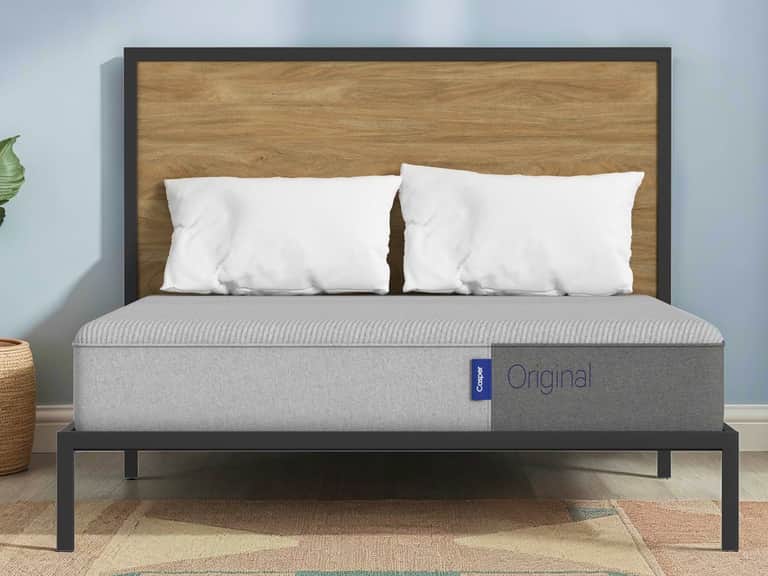
Original Mattress
Sleep cooler and cradled by responsive foam that hugs you gently, while three ergonomic zones align your spine for balanced support all night.
Foam mattresses, particularly those built with latex, offer a unique balance of support and pressure relief suitable for a variety of sleep preferences. Talalay latex emphasizes a soft, buoyant feel with consistent firmness, helping to distribute weight evenly and reduce common pressure points. This category highlights materials, construction, and performance considerations for informed selection.
In the realm of foam mattresses, the Original Mattress typically combines latex layers and responsive foams to create a balanced hybrid-like feel. Key features include zoned support, temperature regulation through breathable latex, and durable cores designed for long-term shape retention. Understanding these elements aids in evaluating suitability for different sleeping positions.
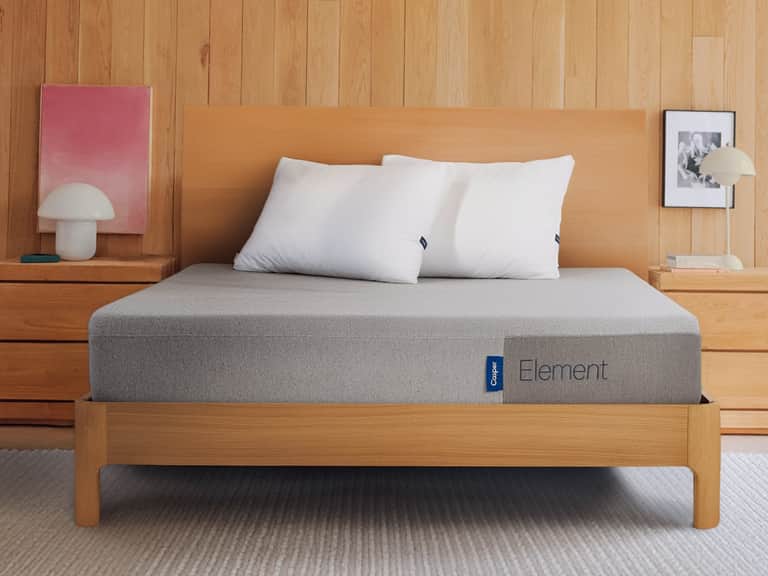
The Element Mattress presents an integrated approach to comfort, with latex components providing contour and lift while maintaining air circulation. Functional benefits often include improved spine alignment, reduced motion transfer, and adaptive responsiveness that accommodates varying body weights. Such attributes are central to assessing compatibility with comfort goals and sleep quality.
When considering latex-based foam systems, factors like density, firmness options, and cover materials influence overall performance. Organic and natural materials may contribute to a healthier sleep environment, while the inherent elasticity of latex supports sleepers seeking a responsive yet supportive surface. These considerations help align product characteristics with individual sleep needs.
For bedding contexts, foam mattresses interact with components like pillows and sheets to affect temperature, humidity, and perceived comfort. By examining mattress construction, lamination, and layer order—along with keywords such as latex, bedding, and organic materials—users can reason about long-term usability, maintenance requirements, and compatibility with a broader sleep ecosystem.
Mattresses
 Mattresses